
aboUT ME

profile pic

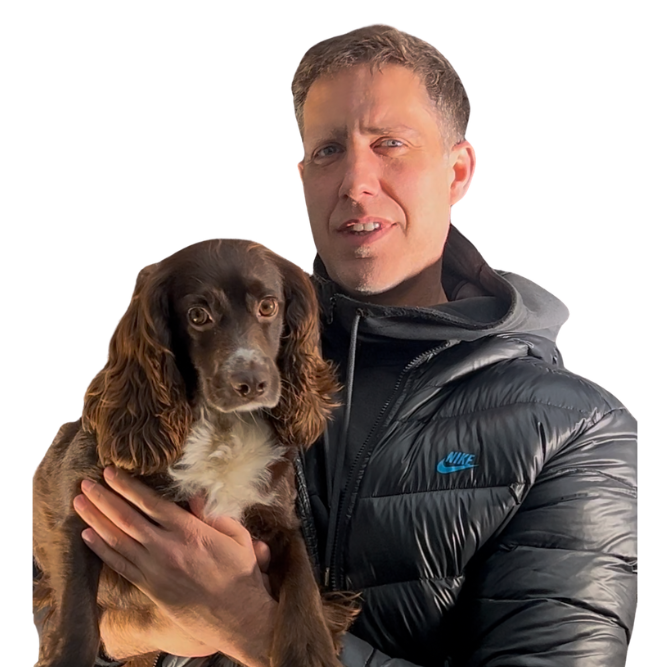
I’m a qualified Personal Trainer and Rehabilitation Coach based in BS14, Bristol, and the founder of Preservation Fitness.

Unlike many trainers, I didn’t come into this industry to help people “get shredded” — I came into it because I’ve lived with pain, injury, and physical breakdown myself.

Before becoming a trainer, I spent 20 years working as a carpenter, a physically demanding trade that eventually took its toll on my body. Years of repetitive lifting, overhead work, and poor recovery led to chronic shoulder and upper back pain, including rotator cuff injuries that forced me to stop doing the job I loved.

That experience changed everything.

Today, I help people in Bristol and across the UK who are dealing with back pain, shoulder pain, and long-term injuries — especially those who feel stuck, ignored, or told to “just rest”.

Tendon inpingements

Tendon impingement in the shoulder, or shoulder impingement syndrome, happens when rotator cuff tendons and the bursa get pinched between the upper arm bone and the acromion (shoulder blade bone) during arm movements, causing pain, inflammation, and weakness, often from overuse, injury, or age-related wear, and is typically treated with rest, physical therapy, anti-inflammatory drugs, injections, or sometimes surgery. 

spinal stenosis

Spinal stenosis is the narrowing of spaces within your spine, which can compress the spinal cord and nerves, often due to age-related wear and tear (osteoarthritis), causing pain, numbness, tingling, or weakness in the back, neck, arms, or legs,

tendinopathy

  • Tendinopathy is a general term for tendon pain and dysfunction, often from overuse or repetitive strain, involving degeneration and micro-tears rather than just inflammation (tendinitis).

mnuscles of the rotator cuff

For years, I did what most people do when pain shows up — I pushed through it.

I was told to rest, take painkillers, and wait. Instead, my pain worsened until I could no longer work as a carpenter. Losing my trade affected more than my body — it knocked my confidence and independence.

That experience led me to retrain with a strong focus on rehabilitation and long-term injury recovery. Not quick fixes or generic advice, but practical rehab that helps people move with less pain and more confidence.

Preservation Fitness was built from that journey.

Today, I work with people dealing with back pain, shoulder problems, and ongoing movement-related pain who feel stuck between “rest” and “just live with it”. This isn’t a gym-based approach — it’s structured rehab support designed around real life.